To import products from India to the UK for your business, define the goods, check the requirements for your destination, agree supplier and shipping responsibilities, and compare the complete order cost before paying. This guide focuses on commercial orders entering Great Britain: England, Scotland and Wales. Northern Ireland has a different customs framework, so confirm the route before using the same plan.
A good first order starts with a clear handover between the buyer, supplier, sourcing partner and customs agent. An attractive product price helps only when everyone is quoting for the same goods and understands what happens next.
Start with one usable buying brief
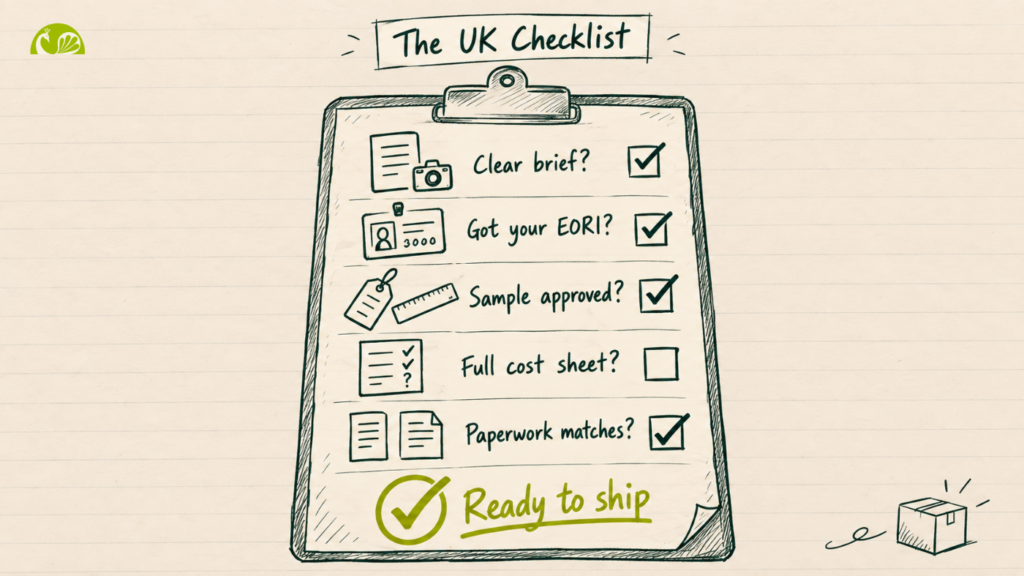
Write down the product, intended use, material, size, finish, quantity and destination postcode. Include reference photographs, but explain which details in those photographs matter. A picture of a cotton bag, for example, does not tell a supplier the required fabric, handle length or packaging.
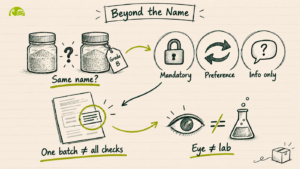
Separate essential requirements from preferences. If a particular colour is optional but a specified material is essential, say so. This lets suppliers propose useful alternatives without silently changing the product you intend to sell.
DS Corp’s India to UK sourcing and shipping service can be a starting point for discussing the buying and dispatch work. Share the buying brief with your UK customs agent as well, so the product description remains consistent across the order.
Confirm the UK importing arrangements early
For a UK business importing commercial goods into Great Britain, a GB Economic Operators Registration and Identification number, or EORI, is generally required. Use the official EORI guidance to check your circumstances. Confirm which business will be the importer and who will submit the declaration before collection.
Use the UK government’s import checklist to check licences, certificates and product labelling requirements. Also confirm that the business sending the goods can lawfully export them from India. A supplier’s willingness to sell does not establish that the goods can be imported or sold in the destination market.
For consumer products, review the UK product safety guidance as well as customs requirements. Customs clearance and a sourcing partner’s checks do not by themselves establish that a product is safe or compliant for sale. Confirm the duties that apply to each business involved.
Keep a responsibility list with contacts for supplier questions, transport booking, customs paperwork and delivery. Agree the delivery term and named place, included charges, insurance arrangements, and the process for loss, damage or rejected goods in writing. Ask for clarification before accepting an unfamiliar term.
Check the supplier and approve the right sample
Before committing to production, establish who is supplying the goods and whether they can fulfil your actual order. Our Indian supplier verification guide covers the checks to make before placing that commitment.
When reviewing a sample, record the version, date and any changes still required. An email saying “looks good” is less useful than an approval that identifies the product, material, dimensions and packaging. Ask whether the sample uses the same specification proposed for the bulk order.
If you are comparing quantities, request clear alternatives. One price for a smaller standard product order and another for a customised order can reveal where the cost changes. Do not increase the order simply to reach a lower unit price before assessing what you can realistically sell.
Compare the cost of the complete order
Build a cost sheet that separates confirmed amounts from estimates. Include the following lines, marking each as included, excluded or still awaiting a quote.
| Cost line | What to clarify |
|---|---|
| Goods | Exact specification, quantity, currency and quote validity |
| Sourcing and checks | Work included, inspection scope and any separate fees |
| Packaging and preparation | Retail packs, export cartons, repacking and documentation |
| Transport | Collection, international transport and delivery coverage |
| Import charges | Product classification, applicable duty, VAT and clearance charges |
The UK Trade Tariff helps identify commodity codes and applicable duty or VAT. Product details such as material, use and packaging can matter to classification. Check the current entry with your customs agent rather than applying a rate from an unrelated product.
DS Corp’s published pricing explanation separates service work from product and shipping costs and states that destination duties and taxes are outside its quote. Obtain a current written breakdown for your own order. A shipping estimate is not automatically a complete import budget.
Make the paperwork agree with the order
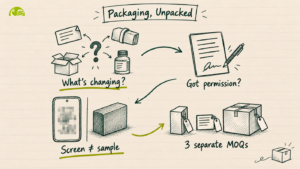
Ask the supplier or sourcing partner to share draft shipment details before dispatch. Compare the product descriptions, quantities, package counts and buyer details with the approved order. Resolve differences while they are still straightforward to correct.
For example, if the order contains two sizes of one product, make sure the packing information distinguishes them. If the packing plan changes, the shipment documents and shipping estimate may need updating too.
Agree with your customs agent which documents are needed for this particular shipment. Keep the commercial invoice and customs records, as set out in the official import checklist. Store them with the approved specification and supplier correspondence so later questions can be answered from one order file.
Approve dispatch against agreed checks
Decide what must be checked before goods leave India. Quantity, visible condition, product variants, labels and carton information are practical starting points. Agree whether checks cover every unit or a sample, how samples are chosen, and who decides whether to release the goods. Our pre shipment inspection checklist helps define the scope.
Photos can help confirm visible details. They cannot establish every performance or safety requirement. If your product needs specialist testing, identify who will arrange it, what evidence is required and when it must be available.
Request a dispatch update that names the carrier, tracking or shipment reference, delivery address and person handling arrival questions. Check the goods against the order when they arrive and record discrepancies promptly. This gives the next order a better starting point.
Prepare your first order enquiry
A useful enquiry includes the product or supplier link, specification, quantities by variant, destination postcode, required packaging and preferred delivery date. State whether you need help finding a supplier or already have one in mind.
Request an India sourcing quote from DS Corp with these details. The team can assess the buying, checking and dispatch work while you confirm the importing arrangements at the UK end.
Frequently asked questions
Do I need an EORI number to import from India into the UK?
For a UK business importing commercial goods into Great Britain, a GB EORI is generally required. Check the official EORI guidance for your circumstances. Northern Ireland and some other arrangements have different requirements.
Is the supplier price the final cost of importing?
Usually it covers only the scope stated in that supplier’s quote. Confirm packaging, checks, transport, clearance and import charges separately. A useful comparison shows which amounts are firm and which remain estimates.
Can I order a sample before buying in bulk?
Ask the supplier about sample availability, cost and whether it represents the intended production specification. Keep written approval and any requested changes. Sample availability and terms vary by product and supplier.
How long does a business order from India take?
The schedule depends on sourcing, sample approval, production, packaging, transport and customs handling. Request milestones for your actual order. A transit estimate alone does not include the time needed to make and prepare the goods.
This article provides general planning information for business orders entering Great Britain. Check current official requirements for your goods and route, and obtain product, customs or tax advice where needed before committing to an order.